
The history of Seacourt Tennis Club stretches back more than a century. Behind the courts and clubhouse on Victoria Avenue is a story involving a pioneering local scientist, one of the world’s few Real Tennis courts, wartime Hayling Island, and a determined group of local people who stepped in to save Seacourt from demolition.
Today, Seacourt is a thriving sports and social club on Hayling Island, but much of what makes the club distinctive can be traced back to its beginnings in the early 1900s.
The Early History of Seacourt Tennis Club
The Seacourt story really begins in 1910, when John F. Marshall purchased a nine-acre seafront estate on Hayling Island and built Seacourt House.
Marshall was a scientist, philanthropist and keen sporting enthusiast, with a particular interest in Real Tennis. In 1911, Seacourt officially opened with a Real Tennis match between two leading players of the period, Peter Latham and Cecil “Punch” Fairs.
That court would go on to become one of the most important parts of Seacourt’s identity and remains at the heart of the club today. You can still play Real Tennis at Seacourt, more than a century after the court first opened.
John Marshall and the British Mosquito Institute
Sport wasn’t John Marshall’s only interest.
In 1925, he established and funded the British Mosquito Institute within the grounds of Seacourt. His research was significant enough that in 1936 he was awarded a CBE in recognition of his pioneering work.
That history hasn’t been forgotten. Today, Marshall’s Bar at Seacourt carries his name, providing a small link between the modern-day club and the man who played such an important part in its beginnings.
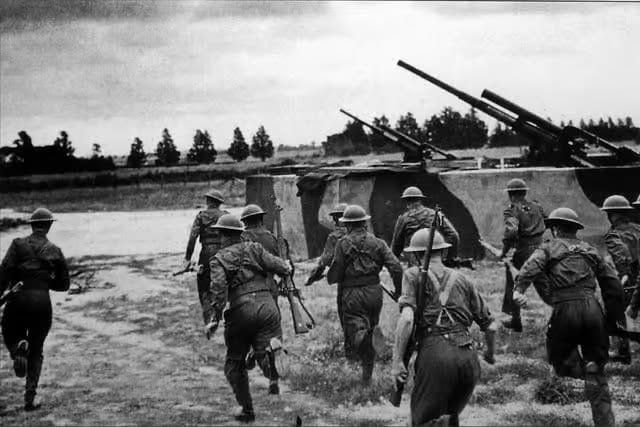
Seacourt During the Second World War
The Second World War brought major changes to Seacourt.
In 1940, the site was used as a convalescence home for Naval Officers. Two years later, the Real Tennis court suffered bomb damage, including significant damage to its roof and glass structure.
By 1943, Seacourt had become the Royal Navy Combined Operations Base for Hayling Island. It was a very different role for a site that had originally been created around a house, sport and recreation.
After the war, the Seacourt Estate was sold and divided in 1948, with the site becoming a private social club.
The Fight to Save Seacourt
By 1961, the club had closed, and the site was left vacant. It was offered for sale, but no buyer could be found.
The future of Seacourt, including its historic Real Tennis court, looked uncertain.
Then, in 1966, a small group of Hayling Island residents stepped in.
Seacourt Tennis Club Limited was incorporated with the specific aim of saving the Real Tennis court and surrounding buildings from demolition. Edward G. Danby, Francis I. Snell and John S. Parker led the revival, with extensive restoration work beginning on the court and clubhouse.
On 30 December 1966, the inaugural members’ meeting was held with 79 members in attendance. Real Tennis had returned to Seacourt.
How Seacourt Became a Multi-Sport Club
Saving the historic court was only the beginning.
Two new squash courts opened in 1969, and Seacourt continued to develop over the following decades. During the 1990s, additional land was acquired, allowing two floodlit outdoor tennis courts to be built.
By 1995, Seacourt had grown into a substantial multi-sport facility. Alongside Real Tennis, members could enjoy Rackets, indoor and outdoor Lawn Tennis, Badminton, Squash and fitness facilities.
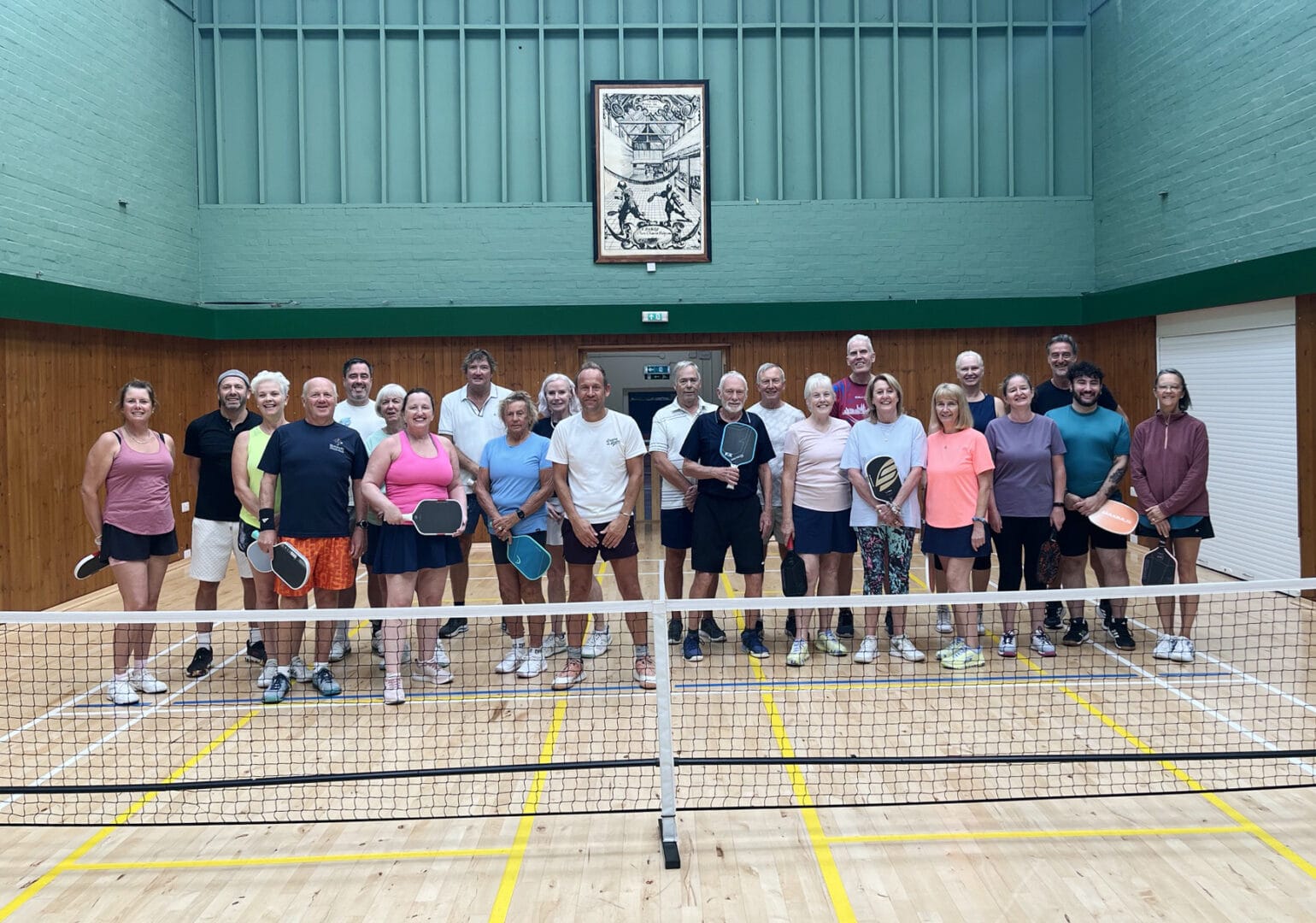
That sporting mix has continued to grow. Today, members can take part in sports including Lawn Tennis, Pickleball, Padel, Squash, Racketball, Badminton, Rackets, Fencing and Cricket, as well as Real Tennis. Regular sports coaching at Seacourt also helps introduce new generations to many of these games.

Preserving Seacourt for Future Generations
One thing that has remained important throughout Seacourt’s more recent history is its not-for-profit approach.
Between 1986 and 1993, members invested in the club through the purchase of shares, helping to fund further development. In 1996, the company’s Articles of Association were amended to permanently prohibit the distribution of profits through dividends, bonuses or share buy-backs.
The Seacourt Charter followed in 2004, formally reinforcing the commitment to preserve the club’s historic court games, facilities and community for future generations.
It means that while Seacourt continues to change, investment is made with the long-term future of the club and its members in mind.
The History of Seacourt Sports Club Continues
Recent years have brought another period of investment.
A new members’ gym and flexible monthly memberships were introduced in 2023. In 2025, improvements included a new sports hall floor and upgraded LED lighting for the Real Tennis and indoor Lawn Tennis courts.
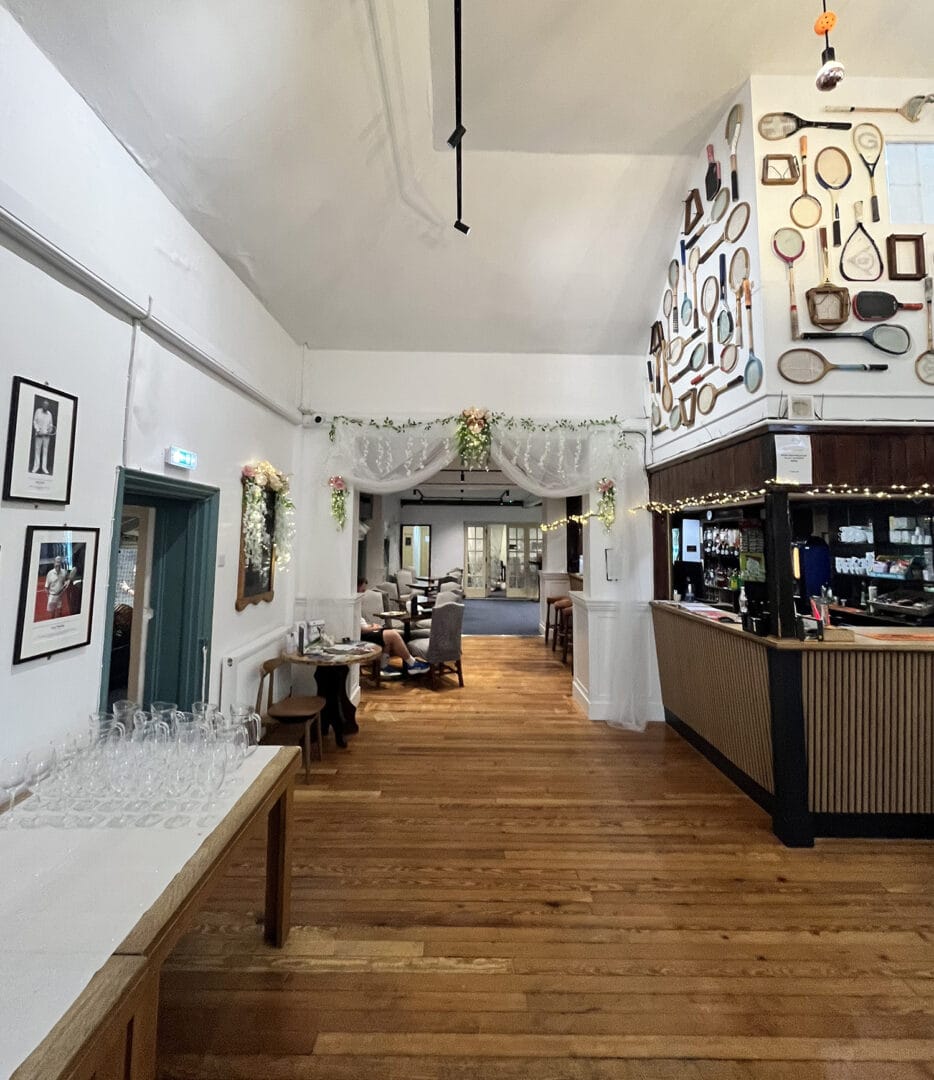
Further refurbishment followed in 2026, including improvements to the clubhouse, alongside a refreshed brand identity and new website.
The surroundings may have changed considerably since John Marshall first established Seacourt more than a century ago, but the connection between sport, friendship and community remains an important part of the club.
You can explore the full Seacourt history timeline to discover more about the people and events that have shaped the club.
A Historic Club That’s Still Moving Forward
Seacourt’s history is unusual. Few sports clubs can trace their story through an Edwardian seafront estate, pioneering scientific research, wartime service and the rescue of a historic sporting venue.
More importantly, it isn’t simply a piece of Hayling Island history that’s been preserved behind closed doors. The courts are still being played on, new sports have been introduced, and another generation of members is now adding to the story.
If you have never visited before, take a look at membership at Seacourt or get in touch with the club to find out more.
Frequently Asked Questions
When was Seacourt Sports Club founded?
The original Seacourt estate dates back to 1910, when John F. Marshall purchased the site and built Seacourt House. The Real Tennis court officially opened in 1911. Seacourt Sports Club Limited was later incorporated in 1966 to save the court and surrounding buildings from demolition.
Who was John F. Marshall?
John F. Marshall was a local scientist, philanthropist, and sporting enthusiast who owned Seacourt in the early 20th century. He also established the British Mosquito Institute at Seacourt and was awarded a CBE in 1936.
Why is Seacourt important to Real Tennis?
Seacourt is home to a historic Real Tennis court dating back to 1911. The court was saved from demolition in 1966 and remains a central part of the club today.
What happened to Seacourt during the Second World War?
During the war, Seacourt was used as a convalescent home for Naval Officers and later became the Royal Navy Combined Operations Base for Hayling Island. The Real Tennis court also suffered bomb damage in 1942.
When was Seacourt Sports Club saved from demolition?
Seacourt Sports Club Limited was incorporated in 1966 specifically to save the historic Real Tennis court and surrounding buildings. Restoration followed, and the first members’ meeting was held on 30 December that year.
What sports can you play at Seacourt today?
Seacourt has developed into a multi-sport club offering Real Tennis, Lawn Tennis, Pickleball, Padel, Squash, Racketball, Rackets, Badminton, Fencing and Cricket, alongside gym and fitness facilities.
You can explore the full Seacourt history timeline to discover more about the people and events that have shaped the club.